How to Write a Wedding Speech (Without Embarrassing Yourself).


How to Write a Wedding Speech: What NOT to Do During Wedding Speeches.
If you’re wondering how to write a wedding speech, most advice tells you what to include — heartfelt stories, jokes, and meaningful moments. What couples and speakers often overlook, though, is what not to do. After photographing hundreds of weddings, I’ve seen incredible speeches… and I’ve also seen the mistakes that instantly disconnect a room.
A great wedding speech doesn’t depend on being funny or dramatic. It works because people feel present, connected, and emotionally involved. When speakers avoid common pitfalls, the entire atmosphere changes, and the moment becomes something guests genuinely remember rather than politely sit through.


How to Write a Wedding Speech Without Reading From Your Phone.
One of the biggest mistakes speakers make when learning how to write a wedding speech is relying on their phone for notes. It seems practical, but it creates distance between the speaker and the audience.
When someone reads from a glowing screen, eye contact disappears. Guests disengage quickly because the delivery feels transactional instead of personal.
Notes vs Reading Word for Word.
A much stronger approach is simple:
- Write your speech on a printed card or small notebook
- Keep bullet points instead of full paragraphs
- Look up regularly and speak to the couple directly
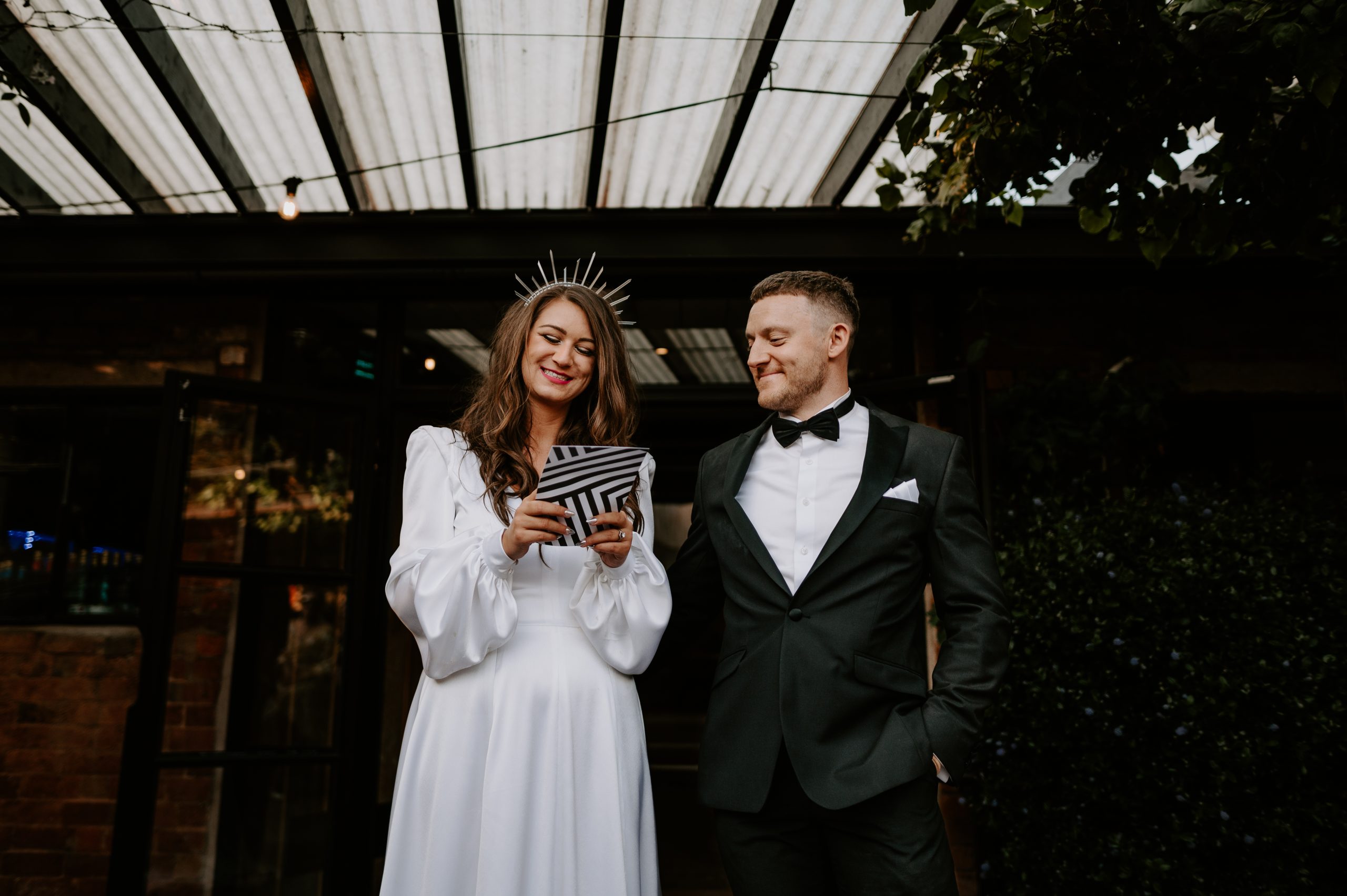
Physical notes slow you down in the best possible way. They help you speak naturally rather than rush through sentences. They also photograph beautifully, especially when stationery matches the wedding styling.
👉 CHECK OUT THIS – public speaking tips from a toast master!


How to Write a Wedding Speech That Guests Actually Listen To.
Structure Your Speech Like a Story.
Another key part of understanding how to write a wedding speech is recognising attention spans. Wedding guests want to laugh, feel something, and raise a glass — not sit through a ten-minute life story.
Keep the Focus on the Couple (Not Yourself).
The strongest speeches usually follow a simple structure:
- A short introduction
- One or two meaningful stories
- A sincere message to the couple
- A confident toast
Why Shorter Speeches Always Win.
Long speeches lose energy quickly. Short, focused speeches keep the room engaged and emotional.
If you need inspiration, you can find more tips and tricks inside my helpful wedding blogs, where timelines and reception flow are broken down in detail.
👉 CHECK OUT THIS : wedding etiquette guide for speeches


How to Write a Wedding Speech Without Embarrassing the Couple.
Trying to Be Funny Instead of Being Genuine.
Humour works brilliantly during speeches — until it crosses a line. Stories that feel hilarious in private often land differently in a room full of grandparents, colleagues, and new in-laws.
When deciding what to include, ask yourself one question:
Would the couple feel proud hearing this story in front of everyone they love?
Avoid:
- Inside jokes no one understands
- Ex-partner references
- Stories involving heavy embarrassment
- Anything that shifts focus away from celebrating the couple
A wedding speech should lift people up, not make anyone wish the floor would swallow them.


How to Write a Wedding Speech That Feels Natural (Not Performed).
Many speakers think they need to “perform.” They memorise lines, force jokes, or try to sound overly formal. The best speeches feel conversational instead.
Speak how you normally speak. Pause when emotions hit. Let laughter happen naturally.
An unplugged approach helps here too. When guests aren’t filming every second, speakers relax and connect with the room rather than worrying about being recorded. The result feels more intimate and genuine — and it creates far stronger photographs and memories.
You can see examples of real emotional moments throughout my real wedding highlights gallery, where authentic reactions always outshine scripted ones.


How to Write a Wedding Speech and Keep the Energy Right.
Timing Your Speech for Maximum Impact.
Timing matters just as much as content. Even a brilliant speech struggles if delivered too late or dragged out too long.
Keep these simple rules in mind:
- Aim for 3–5 minutes
- Practice aloud at least once
- End clearly with a toast
- Smile, breathe, and slow down
Confidence comes from preparation, not perfection.



Final Thoughts on How to Write a Wedding Speech.
Learning how to write a wedding speech isn’t about impressing a crowd. It’s about creating a moment where everyone feels connected to the couple and to each other. When speakers avoid distractions, keep things genuine, and focus on shared emotion, speeches become one of the most memorable parts of the entire wedding day.
If you’re planning your wedding and want more honest, practical advice, explore more tips across the blog or head straight to my enquiry form to check availability and start planning your day together.
Because the best weddings — and the best speeches — always come down to real moments, not perfect performances.